The size question often comes up after someone notices a cold shower at the end of the morning rush. The fix is not always a larger water heater: the existing unit may be undersized, poorly matched to simultaneous use, or affected by another installation issue. Start by identifying when hot water runs short and what else is operating at that time.
For storage tank comparisons
For a storage model, compare the first-hour rating as well as the tank’s stated capacity. The first-hour rating helps describe delivery during a period of active use, when the heater is recovering while hot water is being drawn. Household size can provide context, but schedules and habits often explain demand better: several consecutive showers are different from several fixtures running together.
For tankless flow comparisons
For a tankless model, look at its flow rate at the temperature rise relevant to your home rather than relying on a headline maximum alone. The unit has to raise incoming water to the desired temperature while serving the fixtures in use. In colder conditions, a greater temperature rise can leave less flow available, so local incoming-water temperature is part of the sizing decision.
Map the busiest hot-water hour
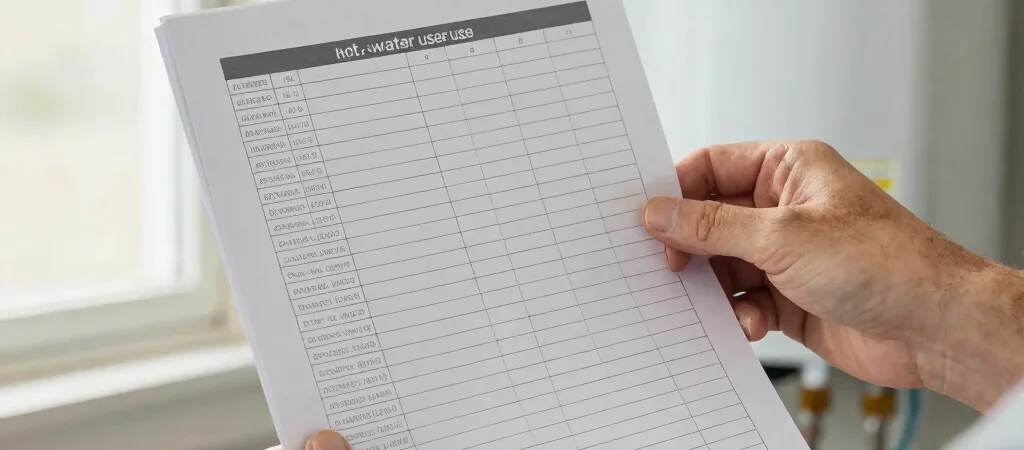
Write down which fixtures run during the busiest hour and whether their use overlaps or happens in sequence. Then compare that pattern with the product’s published capacity information and the home’s fuel and installation constraints. Some links on this site may be affiliate links and may earn a commission at no added cost to you; our focus remains on matching the stated specifications to household demand. If the numbers or existing system are unclear, ask a qualified installer to verify the sizing before selecting a unit.